HIKER SAFetY
Educational content from vetted sources.
EDUCATION
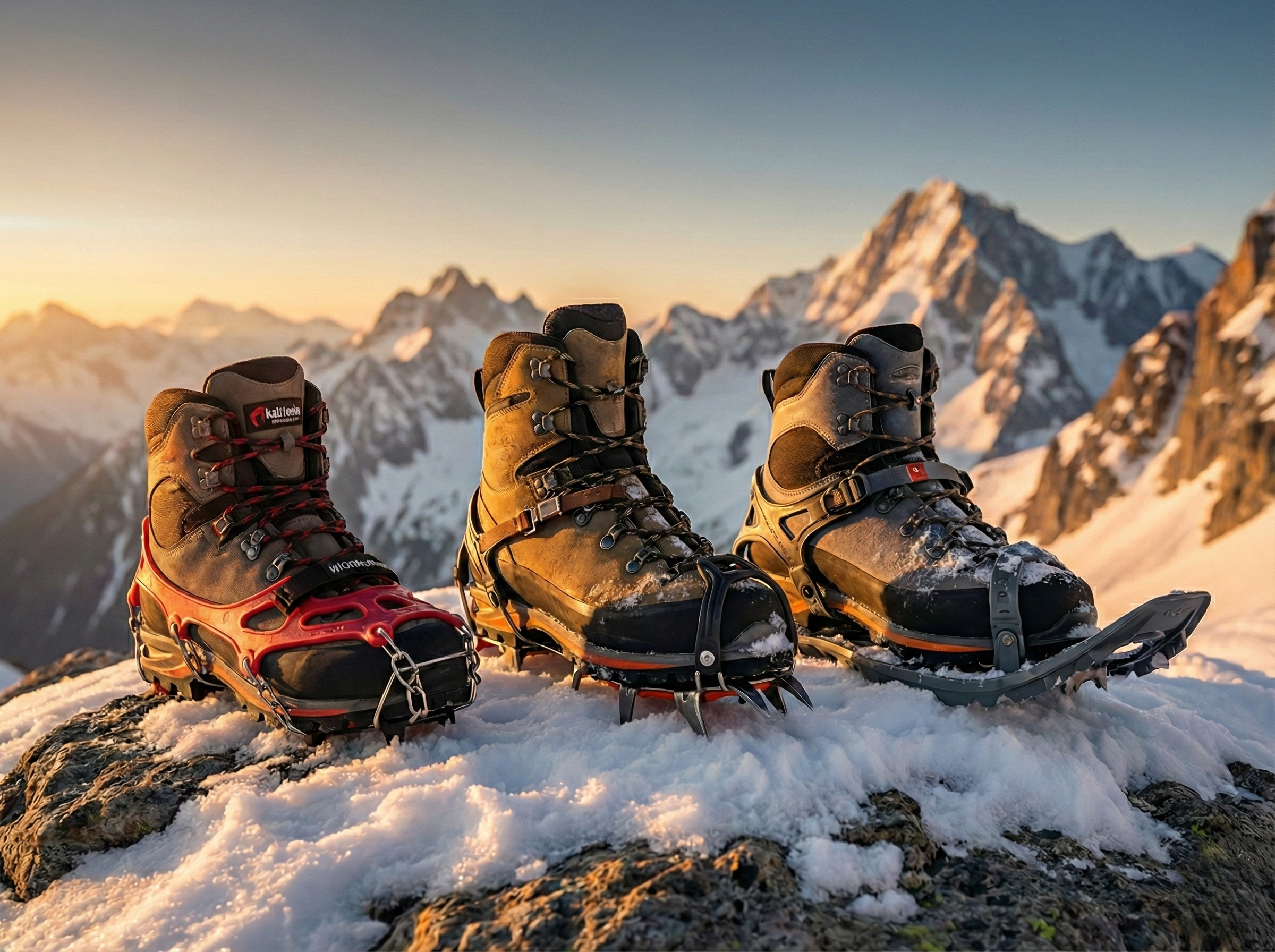
Traction Devices: What, Why & When
“iking in snow and ice conditions, and choosing what traction to wear, is more art than science, and there is simply no replacement for practice and experience. Crampons and spikes are different tools for different jobs, not comparable alternatives.”
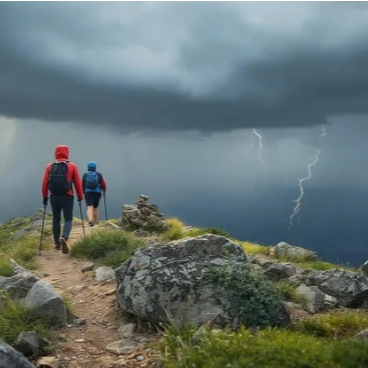
Micro-learning: Lightning Strikes
This 3-minute micro-learning podcast explores the dangers of lightning strikes while hiking and how to stay safe when storms roll in. Through a simulated conversation between two hikers, listene

Micro-learning: Snake Bites
This 3-minute micro-learning podcast from Trek for Trevor simulates a trail conversation between two hikers about snakebite risks and how to avoid them in the wilderness.

New Satellite Alert System Makes the Grand Canyon Safer
The Grand Canyon River Alert System is a groundbreaking tool for wilderness safety. It gives adventurers a faster way to receive life-saving information when it matters most.

Band-Aids & Beyond: A Guide to Wilderness First Aid Kits
Despite your best efforts, things can still go wrong. That’s the nature of the outdoors. It’s wild, unpredictable, and beautifully unforgiving.

This One Device Could Save Your Life on the Trail: Backcountry Safety 101
Every year, hikers find themselves in life-threatening situations — alone, injured, and without cell service. But what if one device could bridge the gap between you and safety?

Thirsty for Adventure? Hydration Strategies for the Backcountry
For hikers, staying hydrated is not just important; it's essential. Hydration is all about drinking enough fluids to keep your body working well.

Preventing Hypothermia in the Backcountry
I was busted up badly, and I couldn’t move or do anything to improve my situation. The weather kept changing from rain to sleet to snow and back, and I had no shelter with me…

Trevor Spikes: It’s Origin & How It Works
At NOBO mm 169.5 lies Apache Peak - one of the most dangerous sections of the entire PCT when snow and ice are present. Tucked away into the San Jacinto mountains of southern California, the PCT cuts across Apache Peak which overlooks the Coachella Valley below.

Five PCT Hiking Tips for Success in the San Jacinto Mountains
At just 151 miles into my trip (less than two weeks in) I faced a high-alpine environment, freezing temperatures, altitude sickness, snow, ice, and strong winds.

Using an Old Technology to Keep Hikers Safe
A RECCO detector emits a directional radar signal, much like a radar gun used by law enforcement. Once the radar signal hits the passive reflector, it is echoed back to the detector.

Staying Safe on Your Next Hike: Tips from a Search & Rescue Expert
I’m on a busy search and rescue (SAR) team in the mountains of western North Carolina. While most of our operations end well, not everyone lives through their ordeal.

Protection from the Unknown: A Deep Dive into Search and Rescue Insurance
“Many SAR insurance policies that are offered by PLB manufacturers only go into effect if you use their device to call for a rescue.”
What Hikers are Saying
-
![Photo of Thomas Syzek while hiking]()
“Keep up your great work and mission, and I guarantee your efforts will spare someone's beloved kid a serious injury or save their life. I am certain of that.”
Thomas Syzek MD
-
![Photo of Julie "Kickapoo" Fast while hiking]()
“There is no great adventure if you can’t tell your friends about it afterwards. Thank you for your efforts to keep hikers safe."
Julie “Kickapoo” Fast
-
![Photo of Ted Graham while hiking]()
“ I have read several of your articles on safety. I very much appreciate every word and have taken them to heart. Great work! Trevor is making a profound impact on hiker safety,”
Ted Graham
-
![Photo of Jesse Walker and son while hiking]()
“I just want to thank you for your efforts to raise visibility of the dangers on the PCT. Twice I've been rushing to go on a hike (once with my son), and found your advice and modified my plans.”
Jesse Walker
-
![Photo of Denise Rogers and daughters while hiking]()
“Your recommendations are eye opening. We will never go short on gear to lessen the load. You have no idea how many people you have already saved or will save.”
Denise Rogers
-
![Photo of Fred Jones while hiking]()
"You have already changed my preparations for gear and logistics with the information you have posted. I'll try to minimize the weight I carry, but only up to a point."
Fred Jones
-
![]()
"As an avid hiker myself, I strive to tackle more challenging trails. I need to be constantly reminded about the importance of preparedness and safety. Thank you, Trek for Trevor, for your mission and vision in supporting this wonderful community."
Rau Arambula
-
![]()
“We ran into quite a bit of snow on the PCT this year. Our Trevor Spikes helped us navigate those dangerous sections. The awareness of snow/ice dangers by Trek for Trevor helped calm hikers’ nerves. Thanks again!”
Sunny & Gas Monkey